

Boat Anchors
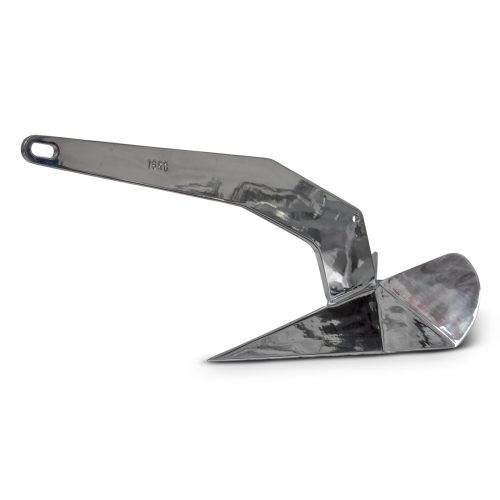
Engineered for performance, reliability and easy to use
The Savwinch anchor range is designed to suit a variety of boats, conditions, and seabed types, ensuring your vessel stays secure wherever you go. Browse to discover:
- High holding power: Optimised designs for sand, mud, grass, and rocky bottoms
- Durable materials: Marine-grade 316 stainless steel and corrosion-resistant finishes
- Quick setting: Anchors that dig in and reset easily with changing conditions
- Versatile sizes: Options for small trailer boats to larger vessels
- Award-winning design: Combining form, function, and long-lasting reliability
How do I choose between plow or claw anchors for different seabed types?
- Plow/Delta: Excellent for sand, mud, reef, and mixed bottoms; resets easily if the boat swings.
- Claw: Performs well in mud, or sand seabeds; offers high holding power for larger vessels.
Choose Savwinch for Reliability & Precision
Explore our full marine range today and experience the reliability and precision only Savwinch delivers. Shop electric winches, marine accessories, and winch accessories – all engineered for harsh marine conditions.
Whether upgrading your current setup or outfitting a new vessel, we have solutions tailored to your needs.
For personalised advice, quotes, or product questions, simply fill out our contact form with your name, email, and details – our expert team is ready to guide you every step of the way.
FAQs:
How does the seabed type affect anchor performance?
The seabed directly impacts how well an anchor holds. Soft sand or mud allows plough and claw anchors to dig in easily, while rocky or weedy bottoms can reduce holding power. Matching your anchor type to the seabed ensures a reliable grip and prevents dragging in changing conditions.
Can I use the same anchor in saltwater and freshwater?
Yes, but material matters. Stainless steel or properly coated anchors resist corrosion in saltwater, while freshwater is less aggressive. Always rinse after saltwater use, regardless of material, to maintain performance and longevity. Anchors suited for both environments offer maximum versatility.
How do I maintain my boat anchor to prevent corrosion?
Rinse your anchor with fresh water after each use, remove sand and debris, and inspect for damage. You should lubricate moving parts if applicable. For stainless steel anchors, a light coating of lanolin or marine-grade protectant prevents surface rust, keeping the anchor reliable over time.
What are the advantages of stainless steel vs. galvanised anchors?
It is important to choose your anchor depending on the environment, budget, and longevity needs:
- Stainless steel offers superior corrosion resistance, a polished look, and long-term durability, ideal for saltwater.
- Galvanised anchors are more cost-effective, robust, and handle impact well, but require regular inspection and maintenance to prevent rust.
What anchor type is best suited for my boat size and typical mooring conditions?
Anchor choice depends on your boat’s weight, length, and how you typically moor.
- Smaller vessels benefit from delta or plow anchors for quick setting
- Heavier boats may require claw or larger plow anchors.
- Consider wind, current, and seabed type to ensure reliable holding in your usual anchoring spots.
What weight or holding power should I consider when buying an anchor for offshore use?
For offshore conditions, use anchors rated above your vessel’s total displacement, including fuel, equipment, and passengers.
A common rule of thumb is one pound per foot of boat length (or 1.5 kg per metre). In rough seas or strong currents, you might also want to oversize slightly to add peace of mind.
Are stainless steel anchors worth the investment compared to galvanised or aluminium options?
316 stainless steel anchors resist corrosion, require less maintenance, and last for decades in saltwater. On the other hand, galvanised is cheaper, but more prone to pitting over time.
For frequent offshore or high-salinity conditions, you’ll want to invest in stainless steel for reliability and longevity, though well-maintained galvanised can still perform well.
How does my choice of anchor affect winch compatibility and retrieval effort?
Your anchor choice directly impacts winch selection and effort. Heavier or larger anchors (like plow or claw for offshore use) will require higher-capacity winches with stronger motors and appropriate gear ratios.
Lighter anchors or delta types need less power. Matching winch specs to anchor weight ensures smooth, safe retrieval and prolongs your winch’s life.
